
Built to Be Easier to Change Over Time
Every change improves structure, readability, and testability, so your system becomes easier to maintain and evolve with each step.

Instead of failing all at once, legacy systems introduce challenges by becoming harder to change, slower to release, and riskier to maintain.
Legacy systems often have unclear architecture, tightly coupled dependencies, and the fear of breaking something critical with every change.
By combining automated code analysis and conversion with disciplined engineering, teams can incrementally improve systems, reduce technical debt, and deliver changes without disruption.
Legacy system modernization services shouldn’t mean a full rewrite when it isn’t needed. We help you make the right changes, in the right order, without introducing new risk.
Every change improves structure, readability, and testability, so your system becomes easier to maintain and evolve with each step.
We modernize systems step by step, delivering production-ready improvements without forcing risky, full-system replacements.
We use AI-assisted code analysis and conversion to speed up the work, with engineers ensuring quality, clarity, and long-term maintainability.
Partner with seasoned engineers trained in functional programming, AI-first development, and modern systems thinking, delivering software built to adapt.
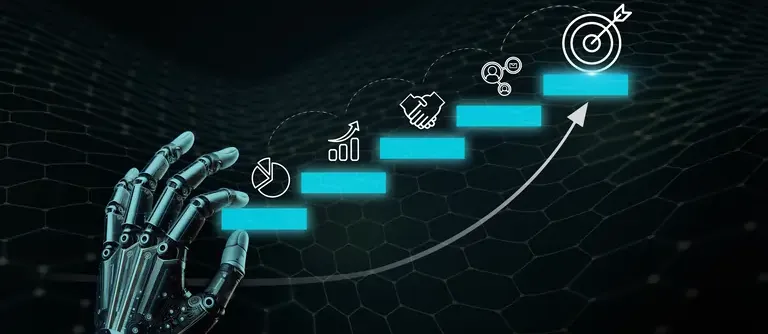
We start by assessing your architecture, codebase, and dependencies, then define a prioritized modernization path based on risk, business impact, and what should be improved first.

We modernize the first high-impact part of your system, using AI-assisted code to help speed up the process without reducing quality, and deliver production-ready improvements your team can use.

We help deploy changes safely into production, define testing and rollback strategies, and create a clear path to continue modernizing without disruption.
We work with your existing tech stack, applying AI-assisted coding to ship faster. From infrastructure choices to tool recommendations, we help teams make growth-based decisions.




Legacy systems show up differently across teams. Whether shaping an application modernization strategy or evolving systems in the cloud, the goal is the same: reduce risk and scale with more ease.
When a system is too critical to replace, modernization has to happen carefully. We help define an application modernization strategy that improves key parts of the system in production-ready steps without disrupting the operations that depend on it.
Legacy languages and aging frameworks make systems harder to maintain, extend, and staff. We use AI-assisted conversion and disciplined refactoring to modernize code while preserving business logic and improving long-term maintainability.
Tightly coupled code and fragile workflows make every release feel risky. We help modernize high-impact areas so teams can reduce bottlenecks, improve testability, and release changes with more confidence.
As systems grow, dependencies become harder to understand and change safely. We improve system boundaries and structure so teams can reduce unintended side effects and make future development easier.
Legacy systems are often not ready for modern infrastructure or integrations. We help shape a cloud modernization strategy that supports scalability, cleaner connections, and long-term system evolution without forcing unnecessary change.




Yes. The goal is not just to modernize, but to leave you with code your team can work with confidently. We focus on clear structure, documentation, and testability so your system becomes easier to understand, maintain, and extend over time.
If your system is slowing delivery, costly to maintain, or difficult to change, it is likely a strong candidate. This is especially true for systems with outdated languages, tight coupling, or growing technical debt that limits future development.
We avoid full rewrites and instead modernize incrementally. Changes are delivered iteratively in controlled, production-ready steps with testing, monitoring, and rollback strategies so improvements can be made without disrupting critical operations.
Yes. Our process follows ISO 27001-certified practices, and all AI-assisted outputs are reviewed, tested, and validated by engineers. Security, data protection, and system integrity are built into every step of the modernization process.
Most teams start seeing results within weeks, but this is on a case-by-case basis. By focusing on high-impact areas first, we deliver production-ready improvements early, creating momentum without waiting for a full system overhaul.