
Computer vision object detection uses AI and deep learning to help machines “see,” identifying objects, motion, and patterns with speed and precision. Tools like OpenCV, Python, and Convolutional Neural Networks help turn visual data into insight your team can act on.
This solution can reduce manual review and replace clunky or expensive inspection processes with software-driven systems. Computer vision systems can help teams:
- Detect risks in real time
- Measure performance with greater consistency
- Monitor remote environments with less manual effort
- Automate inspections and quality control
Stack Builders builds computer vision software to help companies improve safety, reduce review time, and strengthen operational performance.
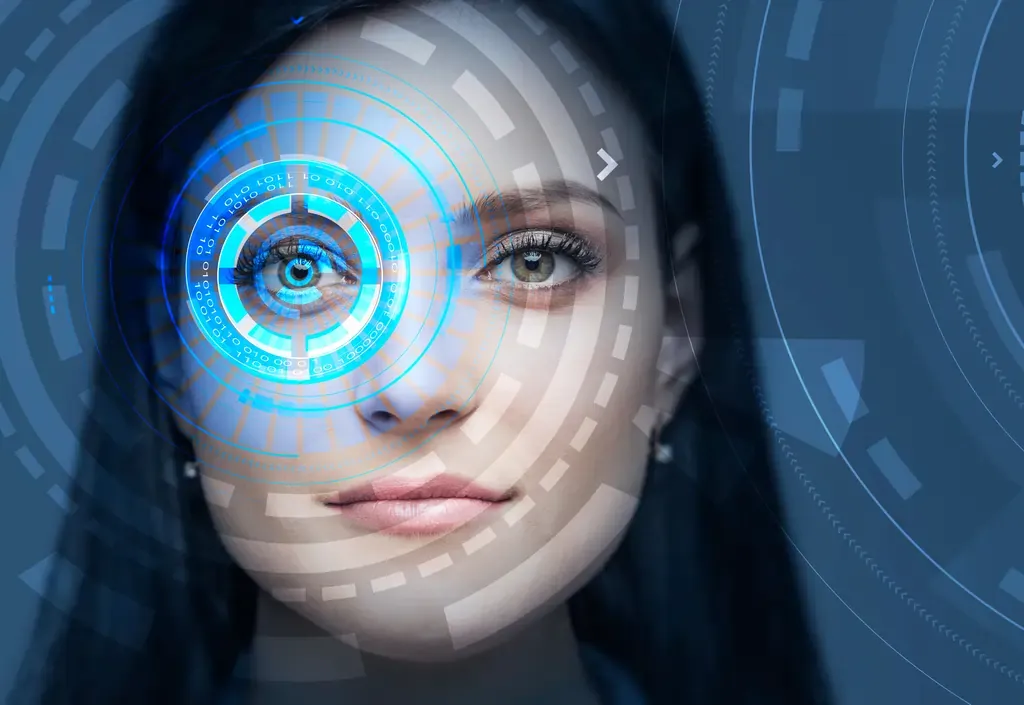
We start by aligning with your business goals to maximize value. We’ll account for lighting, variability, edge cases, and data quality so systems perform reliably.
From dataset design to high-accuracy labeling, our team handles the heavy lifting. We optimize pipelines so your models perform under real-world conditions.
We build a working pilot and validate performance early so you know where vision creates ROI before investing in full production systems.
With 200+ projects across complex systems, we bring the engineering rigor needed to move computer vision from pilot to production.
Hiring in-house AI teams can take months; time you don’t always have. Our team is built up of senior-level engineers, helping you ship and scale faster without the overhead of traditional hiring.
Explore Our Proven Process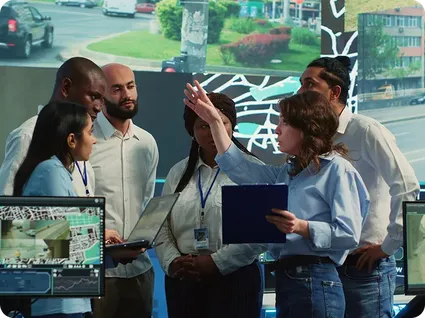

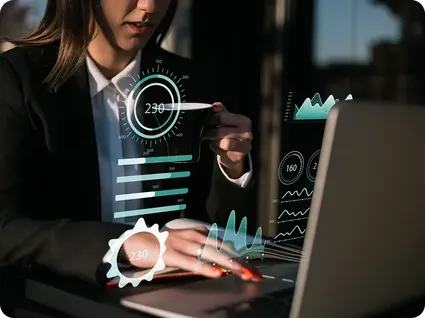
Computer vision is applicable across many industries where images or video drive decisions. Don’t see your use case? Reach out, and we can help you identify where it fits.
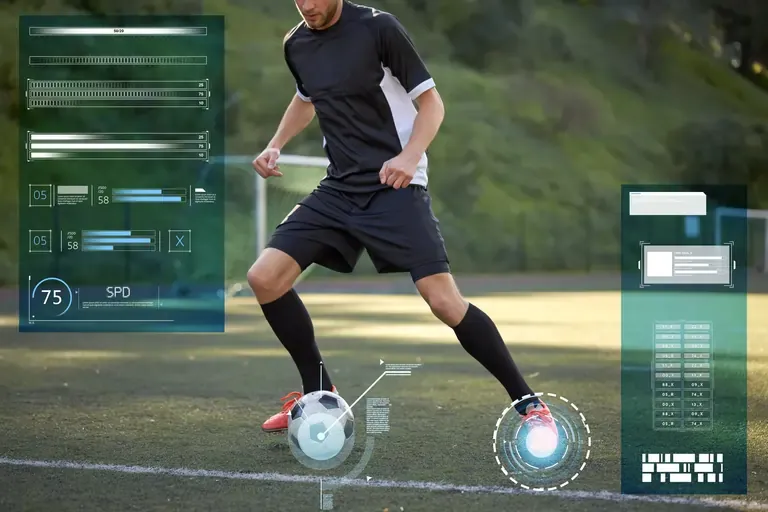
Track movement, detect actions, and analyze performance in real time without relying on sensors. Computer vision puts more precise insights into motion, helping teams improve training, reduce manual video review, and capture performance data that was previously difficult to measure consistently.
Monitor safety compliance, detect defects, and identify risks across complex environments. Computer vision helps reduce manual inspection, improve consistency, and ensure that issues are caught early, even in fast-moving or high-risk operational settings.
Track traffic patterns, monitor infrastructure conditions, and detect anomalies across large-scale environments. Vision systems support faster, more informed decisions while reducing reliance on manual observation and enabling continuous monitoring.
Automate inspection processes across images and video to detect defects, inconsistencies, or anomalies. Improve accuracy and throughput while reducing the need for manual review in environments where precision and consistency are critical.
Track goods, monitor inventory movement, and verify processes across high-volume operations. Computer vision helps reduce manual checks, improve accuracy, and provide better visibility into workflows that are often difficult to track in real time.




Yes. We help define what should be labeled, how labels should be structured, and how quality should be reviewed. For computer vision, labeling directly shapes model performance, edge case handling, and long-term accuracy.
Yes. We build end-to-end training pipelines, from dataset design and image annotation to model training and tuning. The goal is to train against the conditions your system will actually face rather than in a controlled test.
If you're using video or image data to make decisions, or wish you could, vision detection can reduce manual review, speed up response times, and provide deeper insights.
We go beyond model delivery. Our vision systems are built with clean architecture, test-driven code, and ISO-certified processes. Every developer is trained in functional programming, so your software is robust and secure.
Our engineers work alongside your team, contributing to architecture, development, and delivery. We also apply AI-assisted engineering to accelerate progress, without compromising quality, control, or long-term maintainability.